What to Expect From a Local Roofing Estimate
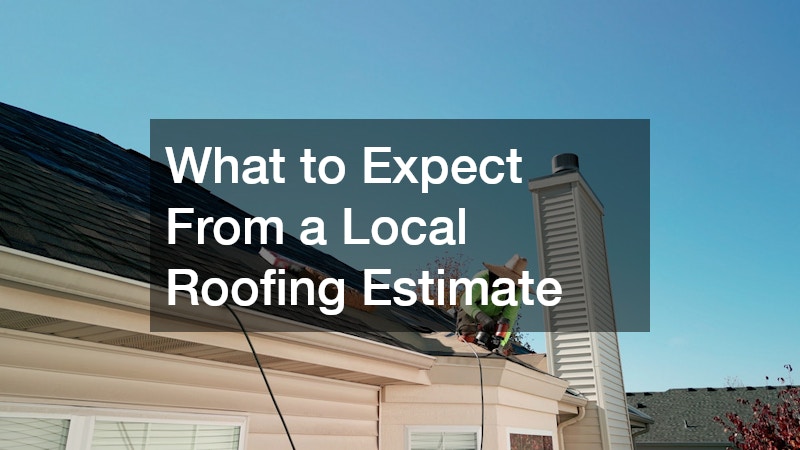
Understanding what to expect from a local roofing estimate is crucial for homeowners looking to repair or replace their roofs. This guide will walk you through the process and highlight the key components of a comprehensive roofing estimate. By familiarizing yourself with the specifics of roofing estimates, you can prepare for any surprises and ensure that you’re making a smart, calculated decision for your property. From materials to labor costs, a thorough estimate will give you a clearer picture of what the project entails. Whether you’re planning for an immediate repair or a future replacement, being informed about the roofing estimate process can save you both time and money.
1. What Details Are Included in a Roofing Estimate?
When obtaining a roofing estimate, several critical details should be included to ensure transparency and comprehensiveness. First, the estimate should start with a careful inspection of the current roof condition. This inspection will outline existing issues and potential areas that could lead to further problems if not addressed. It is important to request a photographic or digital documentation as evidence of the current state of the roof, emphasizing any areas of concern. In this phase, communication is key between the homeowner and the contractor, ensuring that all parties are aligned on the problems and potential solutions.
The second essential element in a roofing estimate is the breakdown of material costs. An accurate and detailed list of necessary materials, along with their respective prices, must be provided. Understanding whether standard asphalt shingles, luxury slate tiles, or sustainable metal roofing will be used is vital. Price variations in roofing materials can be significant, and they directly impact the overall cost of your project. Deciphering this part of the estimate allows homeowners to make informed decisions regarding material selection based on both quality and budget.
Labor charges and timeframe make up the next critical component of an estimate. Labor can vary depending on the complexity of the roof design, existing roof removal, and the expertise required for specific materials. A reliable estimate should outline the hourly or project rate expectations and provide an estimated completion timeframe. Understanding the associated labor costs ensures that the entire process, from setup to cleanup, falls within your financial plan. Clarifying these charges is crucial to avoid unexpected expenses once the project commences.
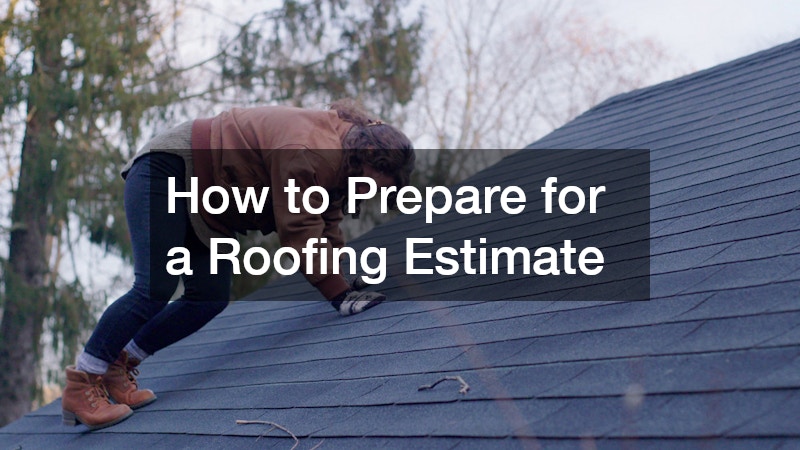
2. How to Prepare for a Roofing Estimate?
Preparing for a roofing estimate from a local roof repair service involves gathering important information about your roof’s size and slope. This information enables contractors to provide more accurate estimates as it directly influences material quantities and labor efforts. Homeowners should be familiar with the style of roof (gable, hip, flat, etc.) they have, as well as any distinctive features such as dormers or skylights that might complicate installation. Being well-versed in these details can expedite the estimation process and minimize room for error. It is advisable to have this data available in written format during discussions with contractors.
Another preparatory step involves listing specific roofing requirements or preferences. Whether you lean towards eco-friendly materials, need specific color schemes, or prioritize longevity over upfront costs, having clear preferences will guide the estimation process. Discussing these details upfront ensures that the estimate is tailored to meet your expectations. Additionally, this dialogue can assist contractors in providing alternative solutions or options that might meet your criteria at a better value. Ultimately, clarity in what you want from your new roofing will result in a more accurate and satisfactory estimate.
Budget considerations and constraints play a significant role when preparing for a roofing estimate. An open discussion with the contractor about your budget can lead to more feasible proposals and material selections. It’s essential to communicate both any hard limits and any worth investing areas, such as optional upgrades or energy-efficient components. Homeowners should also consider potential financing options or rebates that could be available for specific roofing improvements. With a clear budget framework in mind, homeowners can approach multiple contractors with confidence, understanding the financial implications of the project.
3. How Are Roofing Estimates Calculated?
Roofing estimates are carefully calculated, taking into consideration a variety of influential factors. Key among these factors are the size of the roof, pitch, height, and the condition of the existing structure. For larger and steeper roofs, not only do material costs increase but so do labor efforts, safety measures, and time requirements. These factors lead to a higher overall estimate as the complexity of the project grows. Understanding how each of these elements impacts the final cost enables homeowners to better negotiate or validate the given estimate.
Regional pricing variations significantly impact roofing estimate calculations. Geographic location affects material costs due to transportation and availability while also influencing labor rates due to cost-of-living differences. A roofing estimate in a metropolitan area may differ substantially from one in rural regions due to these economic factors. Additionally, local climate conditions, like frequent storms or extreme weather, dictate the type of materials usually prescribed to withstand such adversities. Being aware of these regional differences helps in forming a realistic budget and expectation level for the roofing project.
The seasonal impact on roofing costs cannot be overlooked. Summer and late fall are often the peak periods for roofing work due to more stable weather conditions, leading to higher labor costs due to increased demand. In contrast, scheduling roofing work during the offseason can attract lower bids since contractors are typically looking for work during these slower periods. Homeowners keen on saving should take advantage of these seasonal fluctuations when planning their projects. Knowledge of these seasonal dynamics provides an opportunity to align project timing with cost benefits.
4. What Questions Should I Ask During a Roofing Estimate?
When engaging with a contractor during a roofing estimate, it’s essential to inquire about their experience and past projects. A reliable contractor should be able to share their history in the roofing industry, showcasing completed projects similar to your own. This transparency builds trust and reassures homeowners of the contractor’s capability to handle the job. Additionally, understanding the contractor’s ability to handle distinct roofing materials is crucial. Asking about experience helps in gauging their expertise and should be a fundamental part of your estimation discussion.
Confirming licensing and insurance is another critical discussion point during a roofing estimate. Ensuring that the contractor holds valid licenses to operate in your area protects you from potential legal issues down the line. Equally important is verifying that they carry adequate insurance, protecting you and your property from liabilities in the event of accidents or damages. Homeowners should not hesitate to request proof of these documents from potential contractors. This verification process is a legal safeguard and an indicator of the contractor’s professional standards.
Questions surrounding roofing practices and safety protocols should also be prioritized during the estimation phase. Knowing the contractor’s safety measures, especially when working at heights or handling hazardous materials, is reassuring. Also, inquire about site cleanup and material disposal procedures once the project concludes. Understanding these practices ensures not only a tidy completion but also aligns with your expectations regarding environmental responsibilities. Overall, these questions form an essential part of a due diligence checklist when evaluating roofing estimates.
5. How to Compare Different Roofing Estimates?
Comparing different roofing estimates allows homeowners to identify variances in pricing and quality. It’s important to weigh each estimate against the qualifications of the contractor and the scope of work outlined. Price alone should not be the only determining factor; quality of materials and workmanship offer longer-term benefits that cost more upfront. As a homeowner, it’s imperative to assess which estimate provides the best value, balancing high standards with budget limitations. Connecting the price to project potential ensures a decision rooted in value rather than simply expense.
Evaluating contractor credentials is paramount when comparing roofing estimates. Diligent research into a contractor’s reputation, references, and completed projects enhances a homeowner’s confidence in making a smart decision. Look for contractors who are members of recognized industry associations or who carry certifications from roofing manufacturers. These credentials often indicate a commitment to quality and continuous improvement, setting apart top-tier contractors from average competitors. The right credentials can confirm reliability and ensure that the chosen contractor will deliver as promised.
When comparing estimates, the long-term value versus initial cost must be considered. A lower upfront cost might seem attractive, yet it could lead to compromises in material quality or craftsmanship. This compromise can result in higher maintenance costs or necessitate early replacement. Balanced decision-making looks beyond the quote number, appreciating investments that secure the roof’s longevity with appropriate warranties. Ultimately, the decision should align with both immediate budget constraints and future financial efficiency.
Receiving a roofing estimate from local roofing services should provide clarity regarding the scope of work, involved costs, and expectations of the project. By effectively analyzing and comparing estimates, you can make an informed decision that best suits your needs and budget. The depth of information received from each contractor can inform not just the cost but the quality and longevity of the completed work. Each estimate reflects a unique offering based upon the analysis of your home’s requirements, the contractors’ experience, and their projected solutions. With thorough preparedness and understanding, homeowners can confidently embark on their roofing projects, securing value and durability from their investments.